

Understanding the Connection Between Air Quality And Covid-19 Prevention
As the world continues to navigate the challenges posed by the Covid-19 pandemic, attention has turned to various measures that can help mitigate the spread of the virus. One of the increasingly recognized factors is Air Quality And Covid-19 Prevention air quality. Ensuring good air quality and proper ventilation may play a crucial role in reducing the transmission of the virus, along with vaccination and hygiene practices.
The Role of Air Quality in Respiratory Health
Air quality significantly impacts respiratory health. Pollutants such as particulate matter (PM), volatile organic compounds (VOCs), and biological agents (like bacteria and viruses) can exacerbate respiratory diseases and weaken the immune system. Poor air quality can lead to chronic conditions, making individuals more susceptible to infections like Covid-19.
How Covid-19 Spreads
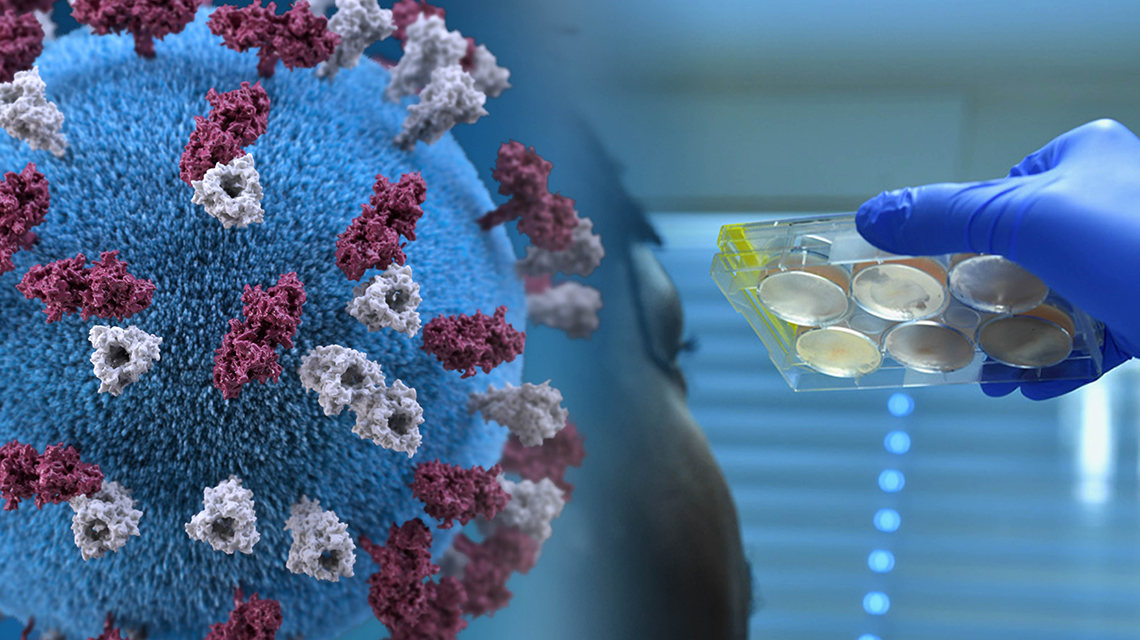
The primary mode of transmission for Covid-19 is through respiratory droplets produced when an infected person talks, coughs, or sneezes. The dispersion of these droplets can be influenced by air circulation and ventilation. Enclosed spaces with limited airflow can create a conducive environment for the virus to linger in the air for extended periods, increasing the risk for individuals within that space.
Improving Indoor Air Quality
To enhance air quality and reduce the risk of Covid-19 transmission, several strategies can be employed:
- Increase ventilation: Introducing outdoor air into indoor environments dilutes potential viral loads in the air. This can be achieved by opening windows and doors or using HVAC systems designed for effective air exchange.
- Use air purifiers: High-efficiency particulate air (HEPA) filters can capture airborne particles, including viruses, thereby improving indoor air quality.
- Regular maintenance: Ensure that ventilation systems are well-maintained, as dirty filters can hinder airflow and decrease air quality.
- Monitor indoor pollutants: Utilizing air quality monitors can provide real-time insights into indoor air quality, allowing for timely interventions.
- Reduce indoor air pollutants: Avoid smoking indoors, minimize the use of strong fragrances, and limit the use of VOC-containing products like paints and cleaners.
Public Health Recommendations
Public health agencies, including the Centers for Disease Control and Prevention (CDC) and the World Health Organization (WHO), have emphasized the importance of improving indoor air quality as part of comprehensive Covid-19 prevention strategies. Recommendations often include:
- Enhancing ventilation in buildings, particularly in crowded indoor settings.
- Implementing regular cleaning and disinfection protocols for high-touch surfaces.
- Encouraging the use of masks in areas where social distancing cannot be maintained.
Behavioral Adaptations for Covid-19 Precautions
Beyond physical improvements to air quality, behavioral adaptations can also aid in preventing the spread of Covid-19:
- Limit gatherings: Reducing the number of people in indoor spaces can help decrease the potential for viral transmission.
- Practice good hygiene: Regular handwashing and the use of hand sanitizers can help minimize the risk of transmission from surfaces and close contact.
- Stay informed: Awareness of current public health guidelines and recommendations is vital for safety during the ongoing pandemic.
Conclusion
Improving air quality is not just a matter of comfort but a vital aspect of health and safety, particularly during a pandemic. A comprehensive approach that includes good ventilation, the use of air purifiers, regular cleaning, and responsible behavior can significantly reduce the risk of Covid-19 transmission. By prioritizing air quality alongside other prevention measures, individuals and communities can better protect themselves against the lingering threat of this virus.